
The Selling of Hope
The Death of Bunny MunroThis flow examines Bunny’s sales creed as both a genuine talent and a moral metaphor for selling a dream he cannot live himself.
increasing Bearing strength in each event
 decreasing
Bearing strength in each eventdecreasingThe Tree Analogy
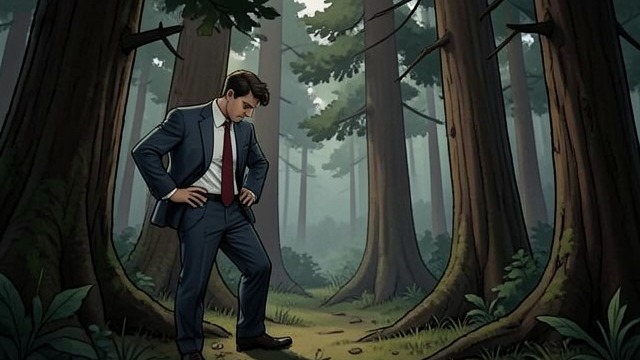
The Tree Analogy
A market explained as pressure
Bunny describes rich customers as sturdy trees and poor customers as weak ones already being shaken by institutions and expenses. The image frames selling as a struggle over limited resources.
Sympathy and exploitation coexist
Bunny understands how vulnerable people feel squeezed, but he uses that understanding to find another way to sell. His insight does not automatically become compassion.
The Salesman as Dream
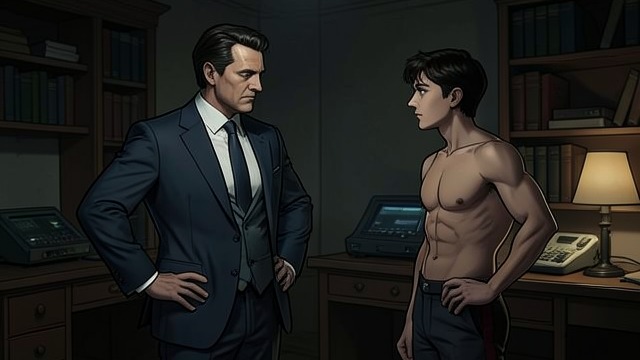
The Salesman as Dream
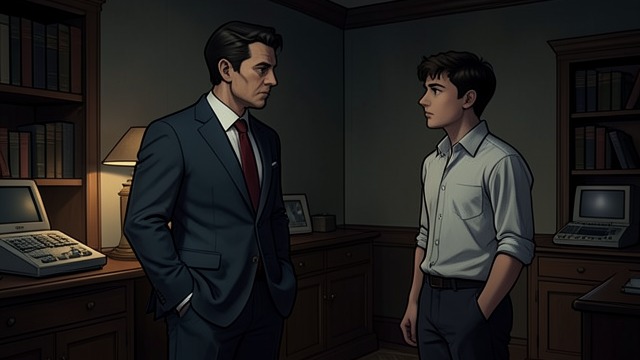
The theory stated
Bunny tells Bunny Junior that hope is what customers need and that the salesman must sell them the dream. Asked what the dream is, he answers that it is himself.
Charisma without substance
The creed captures Bunny’s confidence and the seduction of personality. It also shows how a persuasive performance can conceal the absence of reliable care behind it.
The Product Demonstration
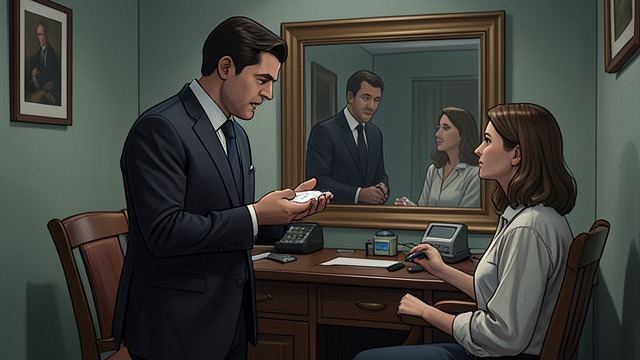
The Product Demonstration
A promise made tangible
Bunny applies Replenishing Hand Cream during a sales visit and describes its restorative qualities. The product becomes a prop through which he performs intimacy and expertise.
Hope sold to the vulnerable
His customers respond to warmth and attention as much as to the cream. The scene asks whether comfort gained through a sales pitch is kindness, manipulation, or an unstable mixture of both.
The Missing Tie
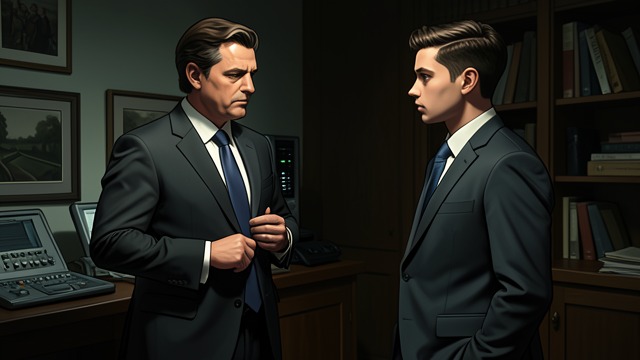
The Missing Tie
A sentimental object lost
Bunny Junior notices that Bunny has left behind a tie Libby gave him. Bunny invokes the salesman’s rule never to go back, because returning might jeopardize an order.
Commercial logic over memory
The joke exposes how readily Bunny makes business rules govern emotional life. The tie matters to the boy as a gift from his mother, even as Bunny treats it as replaceable.
Misery Sold Door to Door
Misery Sold Door to Door
The metaphor reversed
Bunny describes himself as having sold misery rather than hope. He applies the language of his trade to a life in which his charm concealed repeated harm.
A final use for honesty
His speech turns performance toward confession, asking for human response without promising a product. The scene makes the dream-selling creed answerable to the real people who paid its cost.
At the Wellborne estate
During Bunny’s first teaching moment on the road
At the Shoreham sales call
On the coastal road after visiting Pamela Stokes
At the Empress Ballroom near the ending
